So (according to the concept art book) as the Fellowship travels deeper into Middle Earth, the places they pass through become inspired by progressively older periods of history. The farther along you are in the story, the more ancient the design influences
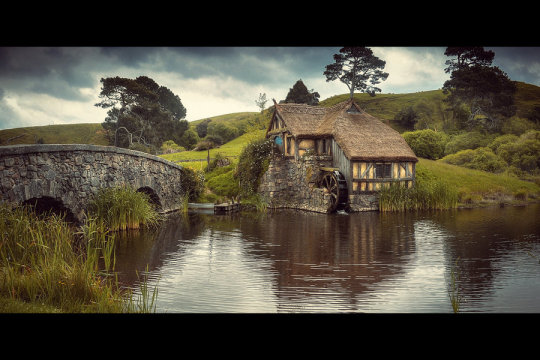
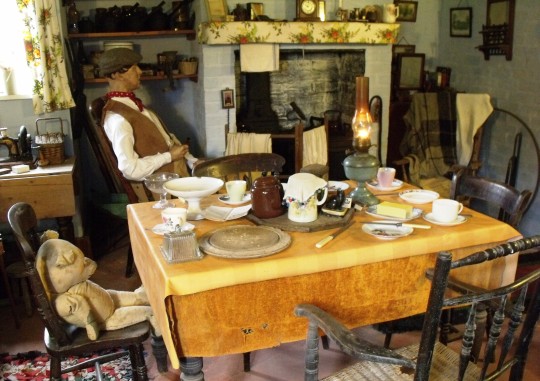
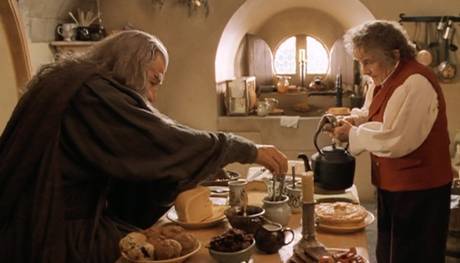
We begin in The Shire: which feels so familiar because, with its tea-kettles and cozy fireplaces, it’s inspired by the relatively recent era of rural England in the 1800s
But when we leave Hobbiton, we also leave that familiar 1800s-England aesthetic behind and start going farther back in time.
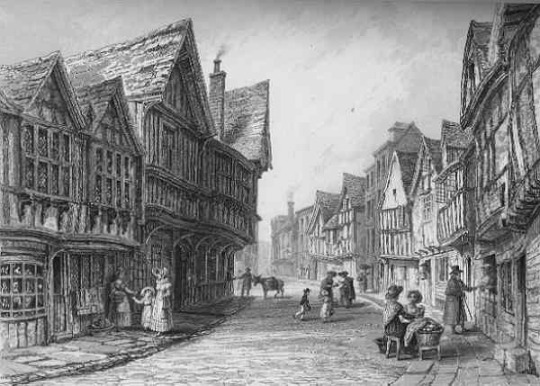
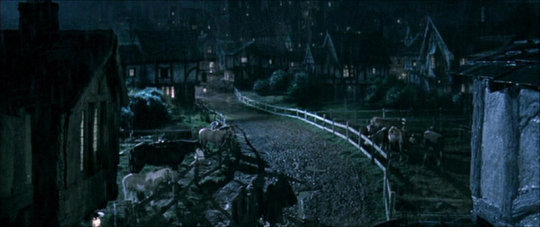
Bree is based on late 1600s English architecture
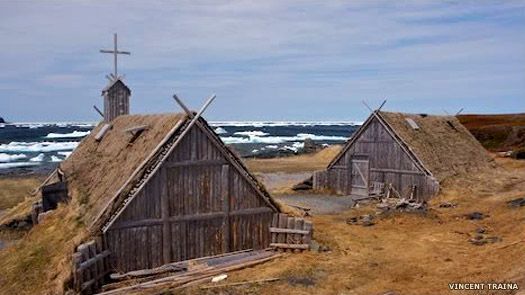
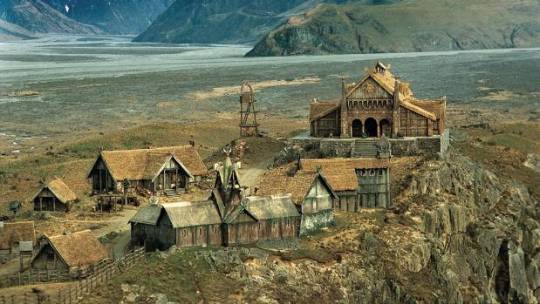
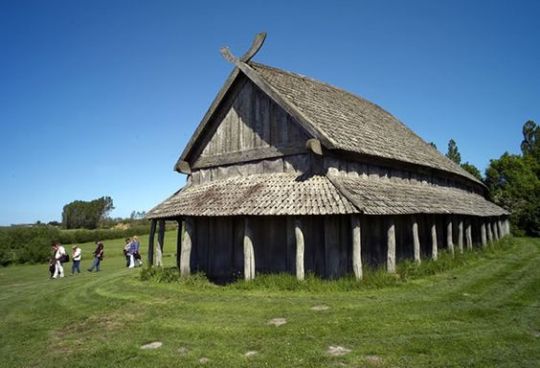
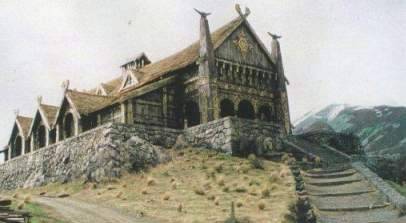
Rohan is even farther back, based on old anglo-saxon era architecture (400s-700s? ce)
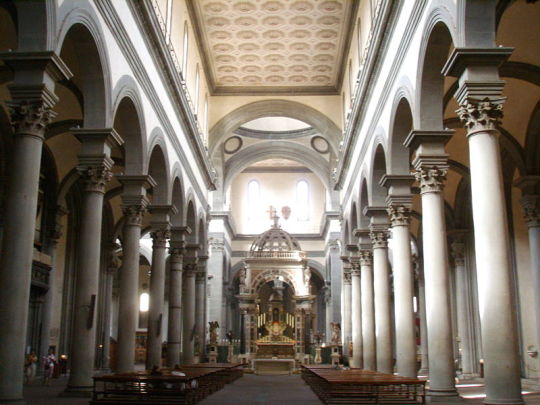
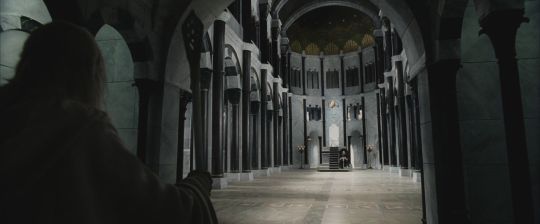
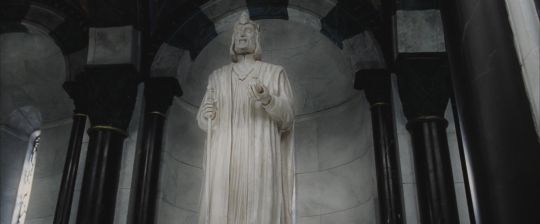
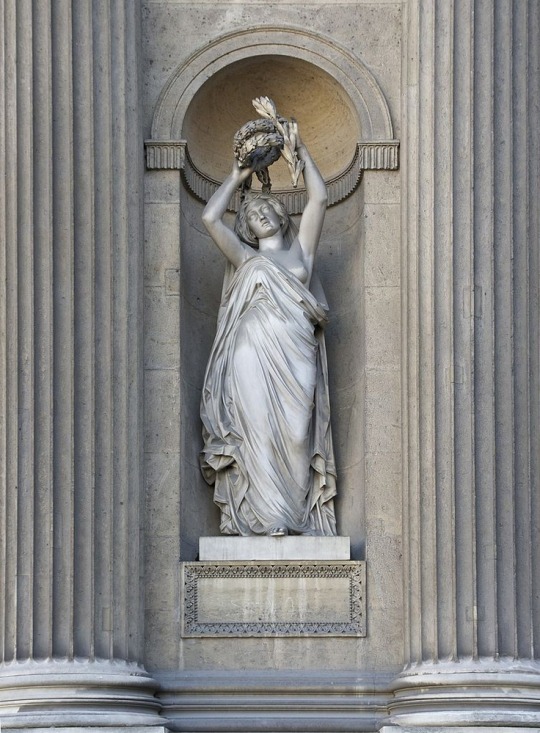
Gondor is way back, and no longer the familiar English or Anglo-Saxon: its design comes from classical Greek and Roman architecture
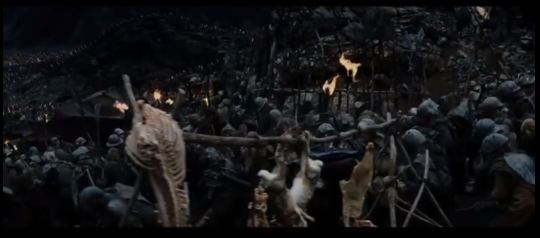
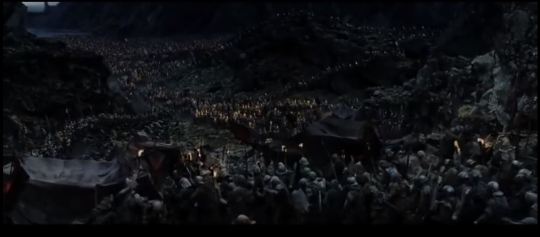
And far far FAR back is Mordor. It’s a land of tents and huts: prehistoric, primitive, primeval. Cavemen times
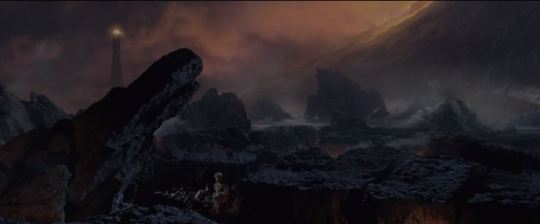
And the heart of Mordor is a barren lifeless hellscape of volcanic rock…like a relic from the ages when the world was still being formed, and life didn’t yet exist
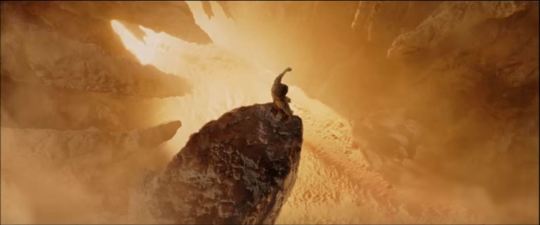
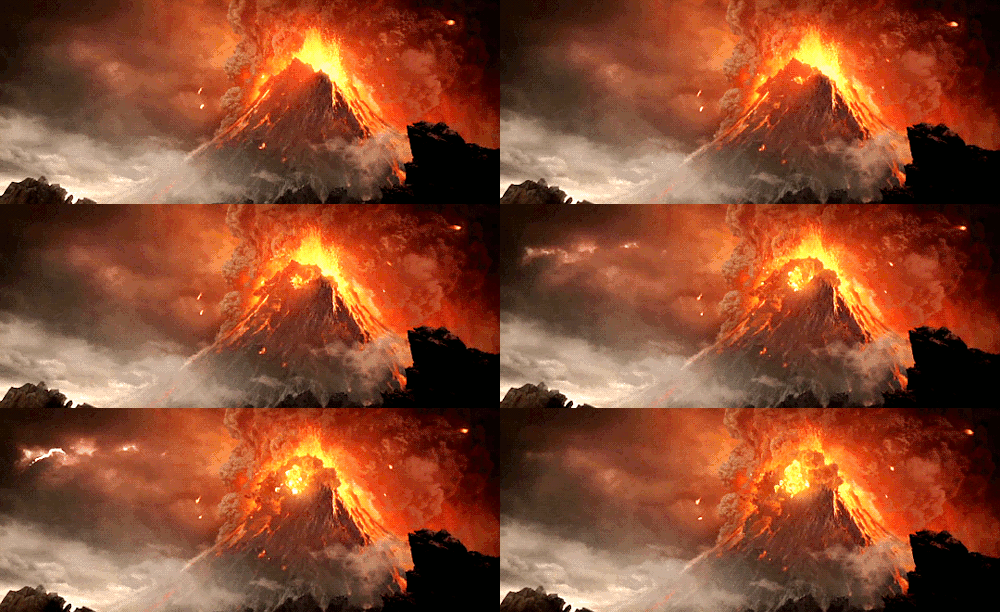
And then they finally reach Mount Doom, which one artist described as
“where the ring was made, which represents, in a sense, the moment of creation itself”
As fascinating as this is (and how oddly well it ties into the themes of the book), I can’t help but laugh because there’s such a common misconception about hobbits being these quaint little old-fashioned people when the truth is they’re probably the most advanced society in Middle Earth. Like “oh why would Gandalf like the hobbits so much when he hangs out with great kings and magical immortal elves” the hobbits have democracy and sinks and a nutritious diet, why would you ever leave?

 what i do is not up to you